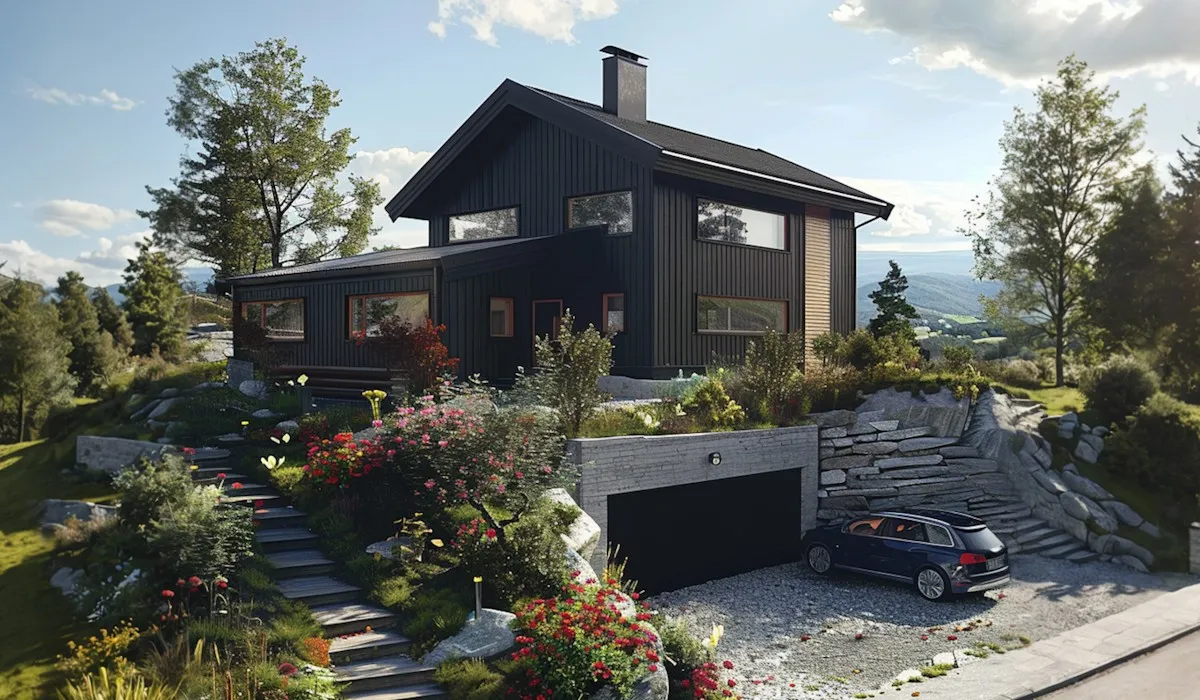
Trends change quickly, but homes that continue to feel timeless usually prioritize light, proportion, natural materials, and restraint over short-term design moments.
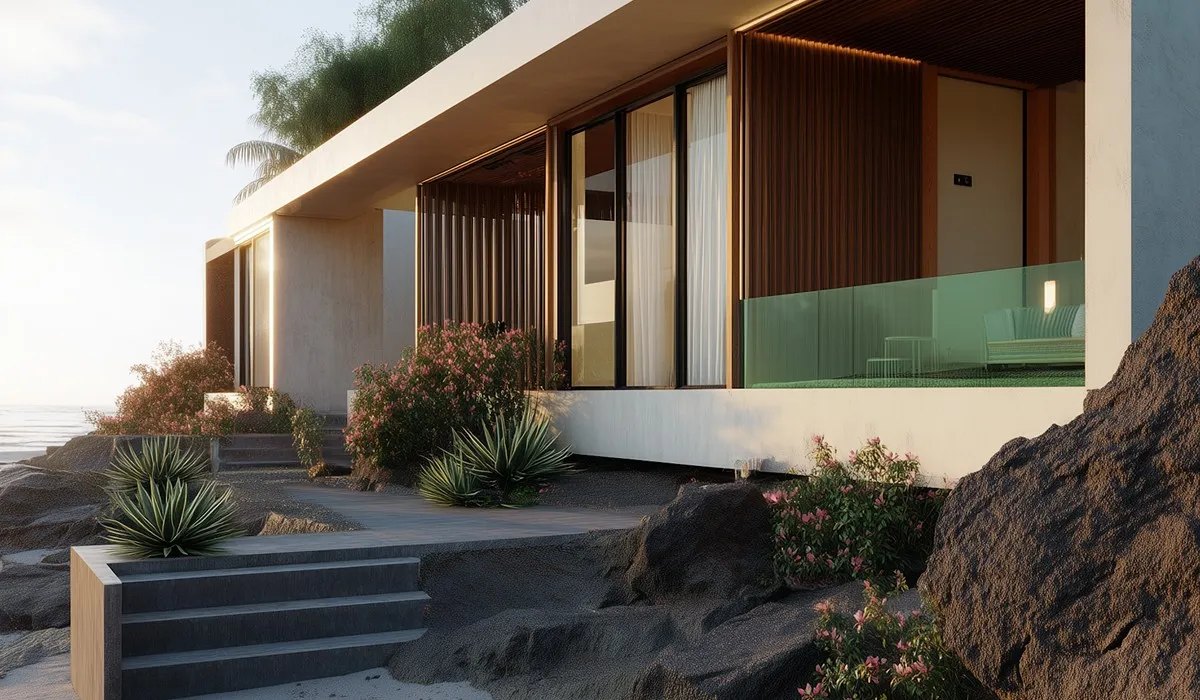
A well-designed home should feel just as comfortable five years from now as it does on the day it is completed. In luxury real estate, timelessness often matters more than trend awareness.
Many homes are designed around what feels current rather than what feels lasting. While trends can create immediate visual impact, they also tend to age quickly once preferences shift.
The homes that continue holding emotional value usually share something quieter: balance.
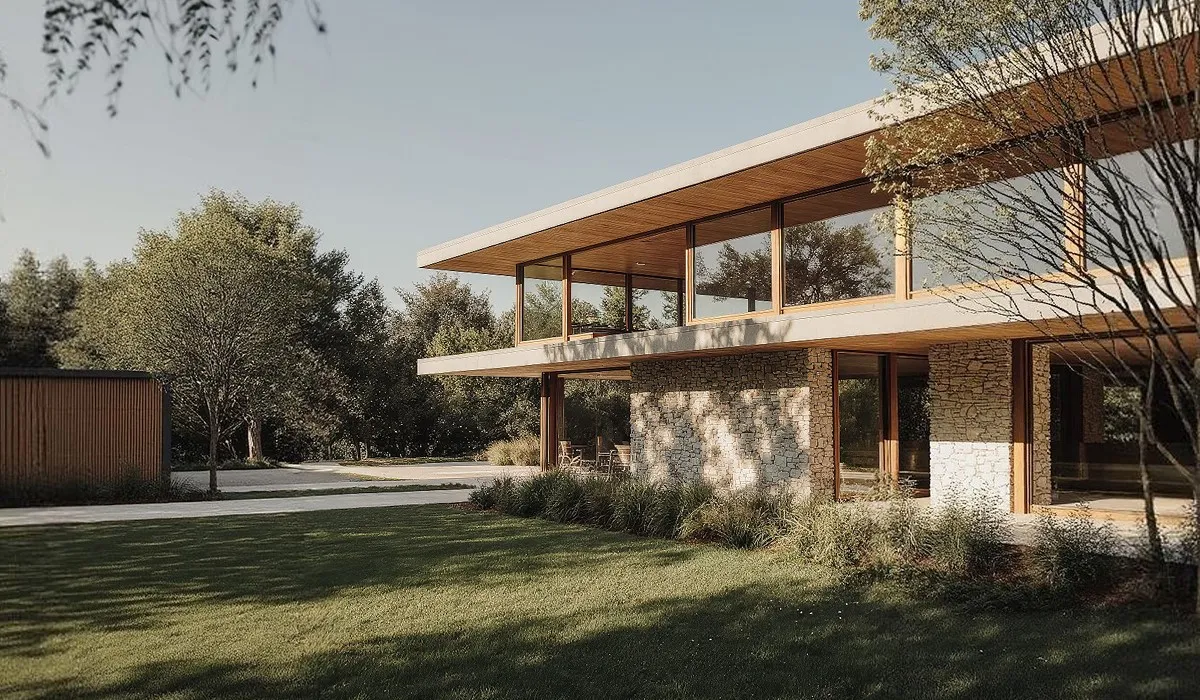
Design that lasts rarely depends on dramatic finishes or overly complicated details. Instead, timeless homes often focus on proportion, natural light, and materials that improve with time.
Features that consistently remain appealing include:
These elements create spaces that feel grounded rather than temporary.
The most timeless homes rarely try too hard to feel luxurious.
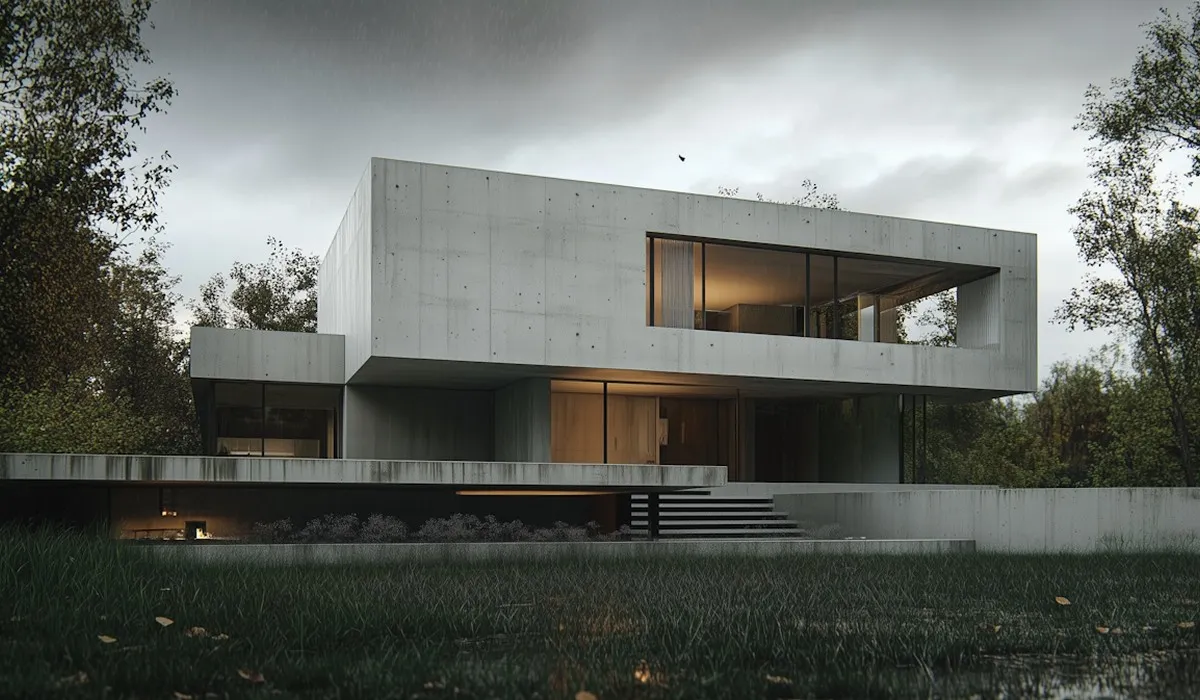
Luxury today is increasingly associated with comfort, clarity, and simplicity rather than visual excess.
Design trends can spread quickly through social media, making certain styles feel instantly recognizable and immediately overused. Homes built entirely around trends often require updates much sooner than expected.
Common examples include:
Buyers are becoming more careful about homes that may feel visually outdated within only a few years.
Homes that age gracefully usually rely on materials that develop character over time instead of appearing overly polished from the beginning.
Materials that continue performing well include:
These finishes create warmth and softness that often improve with daily living.
Beautiful homes still need to function comfortably. Buyers increasingly value homes that feel calm during ordinary routines, not just impressive during showings.
Practical design considerations matter more than ever:
Homes that balance aesthetics with livability tend to retain stronger long-term appeal.
In luxury real estate, the strongest design choices are often the least distracting. The goal is not to create something that feels temporary or performative, but something people continue wanting to come home to year after year.